Introduction to Smart Home Security
In today’s technology-driven world, the importance of enhancing home security cannot be overstated. Smart home security systems have emerged as a crucial component of modern living, providing homeowners with integrated solutions that guarantee both physical safety and peace of mind. As urban environments continue to evolve and the threat landscape becomes ever more complex, the need for effective security measures has never been more pressing. A smart home security device not only functions as a deterrent against intruders but also empowers homeowners by keeping them connected and informed about their property.


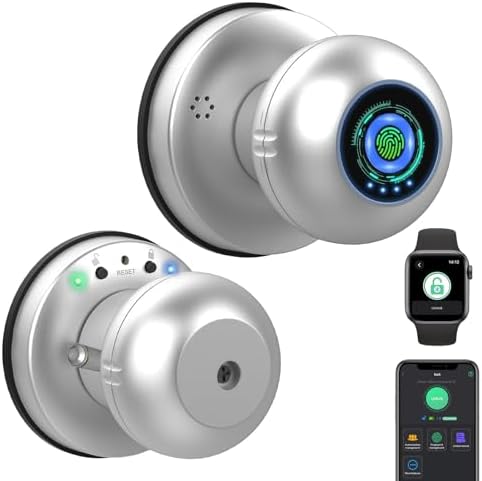
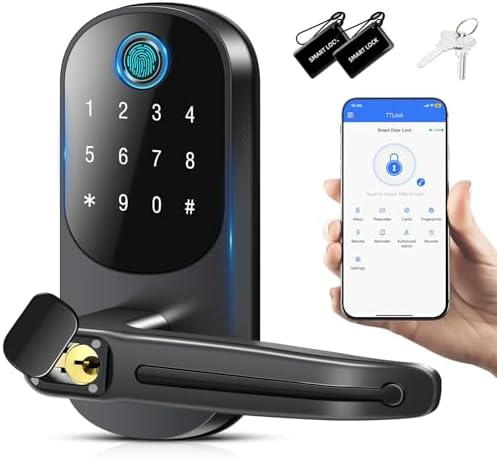
Smart home security incorporates a variety of devices, from smart locks and security cameras to motion detectors and alarm systems. These devices are designed to communicate with each other and can be monitored remotely via smartphones or other digital devices. This interconnectivity allows for real-time monitoring and alerts, meaning homeowners are kept informed of any unusual activity on their property, irrespective of their location.
The rise of the Internet of Things (IoT) has driven advancements in smart home security architecture. Homeowners can now create custom security scenarios that suit their lifestyles, incorporating automation to manage entrances, emergency alerts, and real-time video feeds seamlessly. Additionally, these devices often come equipped with AI-driven analytics that can distinguish between routine activity and potential threats, significantly enhancing operational efficiency.
As we proceed to explore the latest advancements and trends in smart home security for 2026, it is essential to recognize how these innovations not only safeguard properties but also contribute to a sense of safety for families. The integration of smart technology into security systems is an investment in one’s peace of mind and a proactive step towards managing home security in an increasingly connected world.
Key Considerations for Smart Home Security Devices
When choosing smart home security devices, various factors should influence your decision to ensure optimal protection and peace of mind. Reliability is paramount; select devices from reputable brands with strong customer reviews and proven performance in the field. This assures that your security system will function correctly when it matters most.
Ease of use is another critical feature. Smart home security devices should come with intuitive interfaces and user-friendly mobile applications, enabling users to manage their systems effortlessly. A complicated setup can deter users from maximizing the security afforded by these devices. Therefore, look for systems that provide clear installation instructions and customer support.
Integration with existing home automation systems is also a priority. The ability of smart security devices to work seamlessly with other smart home products, such as lighting, locks, and thermostats, enhances the overall security ecosystem. Ensure that the devices you choose support common communication protocols like Z-Wave, Zigbee, or Wi-Fi to maintain compatibility and enhance functionality.
Mobile app compatibility further enhances the convenience of managing your security system. Ideally, the apps should allow you to receive real-time notifications, access live streams, and control your devices remotely. This feature provides an extra layer of safety, enabling you to respond to potential security incidents promptly.
Finally, consider the level of security offered by the devices. Look for features such as encryption, two-factor authentication, and customizable alerts. These elements significantly enhance the integrity of your smart home security setup, ensuring that your personal data and property are adequately protected. By evaluating these key specifications, you can make an informed choice tailored to your particular security needs.
The Rise of AI in Home Security
The proliferation of artificial intelligence (AI) in home security systems is a defining trend in the industry, shaping how homeowners protect their properties. As technology continues to advance, AI-enhanced devices are becoming increasingly integral to enhancing surveillance capabilities and alert systems. In 2026, we can expect these innovations to redefine security protocols for residential spaces.
AI in smart home security means not only improved surveillance but also the ability to analyze vast amounts of data in real-time. Devices equipped with AI algorithms can learn from the user’s habits, identifying what constitutes normal activity within a home and instantly notifying homeowners of any unusual behavior. For instance, a security camera with AI can differentiate between a pet moving about and an intruder, reducing false alarms and allowing for a more reliable response to potential threats.
Moreover, the integration of AI in smart home security systems enhances their capability to provide real-time alerts. Instead of relying solely on pre-set alerts, AI systems can analyze patterns and trigger warnings based on learned behaviors and environmental changes. This level of responsive capability not only increases the effectiveness of security measures but also bolsters homeowner peace of mind.
As we look toward 2026, the role of AI in home security will likely extend beyond mere surveillance. Innovations such as predictive analytics may emerge, allowing devices to foresee security breaches before they occur or offering enhanced personalization based on individual living situations. In summary, the rise of AI technology in home security heralds a new era of safety and situational awareness, aimed at creating smarter, more efficient homes.
Smart Cameras: The Eyes of Your Home
Smart cameras have become essential components of modern home security systems, acting as the vigilant eyes of our residences. These devices offer real-time monitoring and significantly enhance the overall safety of any property. Available in various types, smart cameras can be categorized mainly into indoor and outdoor units, each tailored for specific environments and needs.
Indoor smart cameras are designed to monitor the interior of homes, providing homeowners with peace of mind while they are away. These devices often come equipped with features such as motion detection, two-way audio, and high-definition video quality, allowing users to keep an eye on children, pets, or even monitor for unwanted intruders. On the other hand, outdoor smart cameras are built to withstand harsh weather conditions and can significantly deter potential burglars through visible surveillance. They typically offer advanced functionalities like night vision, allowing for continuous monitoring even in low-light conditions.
Among the standout features of smart cameras are facial recognition capabilities, which utilize advanced artificial intelligence algorithms to distinguish between familiar faces and strangers. This feature enhances security by sending alerts to homeowners when an unknown person is detected. Additionally, many smart cameras provide cloud storage options, enabling users to store and review video footage conveniently. This function can be invaluable for reviewing incidents or providing evidence when necessary.
For 2026, several smart cameras have garnered attention due to their impressive features and reliability. Recommended options include the Logitech Circle 2, known for its versatile indoor and outdoor capabilities, and the Google Nest Cam, which integrates seamlessly with smart home systems. With these advanced smart cameras, homeowners can ensure they have comprehensive surveillance, making their properties safer than ever before.
Smart Doorbells: More Than Just a Doorbell
The popularity of smart doorbells has grown significantly over the past few years, as homeowners seek innovative solutions for enhancing their home security. Smart doorbells serve not only as a traditional entryway alert system, but they also integrate a variety of advanced technologies that provide enhanced surveillance and communication features. With functionality such as two-way audio, high-definition video, motion detection, and smart notifications, these devices play a vital role in modern security systems.
Two-way audio allows homeowners to communicate directly with visitors at their door, providing a layer of convenience and security. This feature empowers users to interact with delivery personnel, guests, or even solicitors without physically opening the door. Moreover, high-definition video capabilities ensure that users can see who is at their door in clear detail, aiding in the identification of visitors and potential threats.
Motion detection is another essential feature associated with smart doorbells. These devices can alert homeowners to any movement detected around their doorway, regardless of whether a person rings the bell. This proactive approach to security means that potential intruders can be monitored and recorded before they approach the entrance. As technology continues to evolve, the algorithms powering these motion detection systems are expected to become increasingly sophisticated, reducing the number of false alarms and enhancing overall accuracy.
Smart notifications, which send alerts directly to a smartphone or device, allow homeowners to stay informed about activity at their door, even when they are away from home. This can be particularly useful for monitoring deliveries or unusual activity when the homeowner is not present. In 2026, several top models in the smart doorbell market are expected to stand out, offering advanced features that cater to homeowner needs. Brands like Ring, Nest, and Arlo are anticipated to lead the charge, providing high-quality devices that redefine security standards.

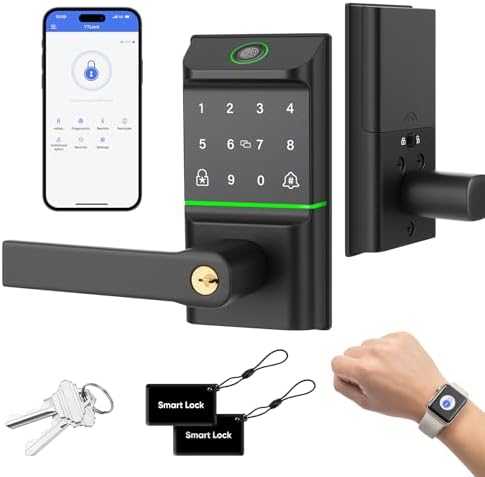

Smart Locks: Keyless Convenience and Security
In the realm of smart home security devices, smart locks have emerged as a crucial component, offering both convenience and enhanced protection. These innovative locks are designed to provide keyless entry solutions, eliminating the need for traditional keys. By utilizing various technologies, smart locks have gained popularity for their ability to facilitate secure access to residential properties.
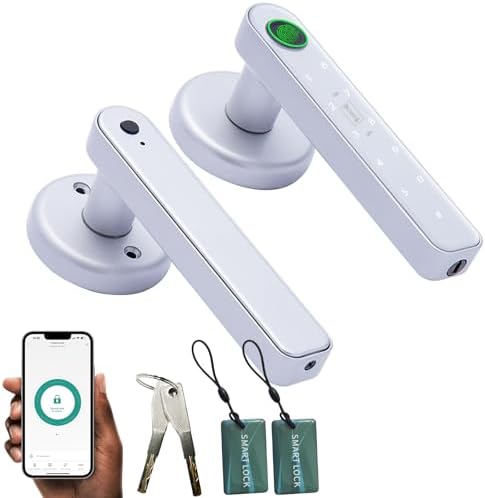
Smart locks come in several forms, including keypad locks, fingerprint scanners, and Bluetooth-enabled options. Keypad locks allow users to enter a predetermined code to unlock the door, while fingerprint scanners provide an extra layer of security by requiring a unique fingerprint for access. On the other hand, Bluetooth-enabled smart locks enable homeowners to unlock their doors using their smartphones, often integrating seamlessly with home automation systems.
One of the primary benefits of smart locks is their capability for remote access control. Homeowners can manage and monitor entry points from anywhere, ensuring they can grant access to visitors or service personnel without being physically present. This feature is particularly advantageous for those who frequently travel or maintain vacation properties. Moreover, modern smart locks often boast integration with other smart home devices, such as security cameras and alarm systems, further augmenting overall home security.
As we look to 2026, several leading smart locks will likely stand out in the market due to their advanced features and reliability. Options such as the August Smart Lock Pro, Yale Assure Lock SL, and Schlage Encode will provide a blend of innovation and security. These locks not only offer user-friendly interfaces and robust security protocols but also support integration with various home automation platforms, making them a worthy investment for those prioritizing safety and convenience in their homes.
Home Security Systems: Comprehensive Protection
As we advance into 2026, home security systems are evolving to provide comprehensive protection that integrates multiple devices into a singular, efficient unit. These systems often include smart alarms, HD cameras, motion sensors, and environmental hazard detectors, forming an interconnected array designed to keep homeowners safe. The convenience of controlling these devices through user-friendly mobile applications has further enhanced their appeal.
Modern home security systems offer 24/7 monitoring capabilities, ensuring round-the-clock surveillance of your property. Some systems have even begun to use advanced artificial intelligence to discern between typical household movements and potential threats, thereby significantly reducing false alarms. Users benefit from immediate alerts sent directly to their smartphones, allowing quick responses in emergencies.
One of the most notable features of current systems is their capacity to integrate seamlessly with existing smart home devices, such as doorbells, locks, and lights. This level of integration not only enhances security but also increases convenience, as homeowners can automate routine tasks. Furthermore, the adaptability of these systems to incorporate emerging technology allows users to stay at the forefront of home security innovations.
For those in the market for a robust home security system in 2026, several options stand out. Leading providers such as Ring and ADT offer comprehensive packages that combine hardware and software solutions tailored to varied security needs. Nest Secure, another robust option, focuses on providing customizable notification and alert systems that make it easier for homeowners to manage their security from anywhere.
In conclusion, home security systems have come a long way, and the comprehensive protection they offer is crucial for modern homeowners looking to safeguard their property effectively. With 24/7 monitoring, smart features, and seamless integration with other devices, investing in a reliable home security system is more important than ever.
Smart Lighting: Deter Intruders with Style
In the pursuit of enhanced home security, smart lighting has emerged as a pivotal solution. By integrating state-of-the-art features such as programmable timers, motion sensors, and remote control capabilities, smart lighting systems serve to create a dynamic environment that is both aesthetically pleasing and security-conscious. These innovative lighting solutions not only illuminate dark areas but also function as a deterrent to potential intruders.
One of the key benefits of smart lighting is its ability to be programmed to mimic human activity. Homeowners can set their lights to turn on and off at specific times, creating an illusion that someone is home even when they are away. This feature is particularly beneficial during vacations or extended trips, as it helps to dissuade burglars who may be looking for unoccupied homes.
Moreover, the integration of motion sensors in smart lighting systems can significantly bolster security. These sensors can detect movement within a specified range and automatically activate the lights, illuminating areas that might otherwise remain dark. This sudden burst of light not only serves to scare off potential intruders but also alerts homeowners to any unusual activity around their property.
In terms of effectively using smart lighting for security, it is advisable to choose products that offer remote accessibility. This feature enables users to control their lights from anywhere, using a smartphone or tablet. For those looking to fully harness the benefits of smart lighting, devices such as the Philips Hue White and Color Ambiance Smart Bulbs or the Ring Smart Lighting are exceptional options for keeping your home secure. These products not only add style but significantly enhance the overall safety of your household.
- 【5 in 1 Smart Door Lock】Semiconductor fingerprint (99% accuracy, 1s unlock) + Temporary/Permanent Passcodes + Tuya Smart…
- 【Smart Connectivity/Security】Monitor unlock history via Tuya App, generate time-limited dynamic passwords for guests. An…
- 【Easy Installation/Compatibility】Keyless entry door lock-No wiring required. Fits US standard doors, thickness from 1-3/…
Smart Sensors: Alerting You to Unusual Activity
Smart sensors are essential components of modern home security systems, designed to provide homeowners with enhanced protection against unauthorized access or unusual activity. These devices, including window, door, and motion sensors, utilize advanced technology to monitor your surroundings and alert you of any potential threats.
Window and door sensors are typically installed on entry points of the home, such as doors, garage doors, and windows. These sensors are equipped with magnetic switches that trigger an alert when the secured entry is opened or tampered with. Similarly, motion sensors are designed to detect movement within a designated area, offering an additional layer of security by monitoring the exterior or interior of the home.
For optimal effectiveness, proper placement of these smart sensors is crucial. Position window and door sensors at all accessible entry points, including sliding doors and basement windows, as they can be potential vulnerabilities. Motion sensors should be installed in common areas, such as hallways or near entrances, where they can detect any unexpected activity. It is also advisable to mount these sensors at a height that minimizes false alarms caused by pets or small objects.
When selecting smart sensors, consider devices that are compatible with your existing security system and those that offer features such as customizable sensitivity settings or real-time monitoring capabilities. Additionally, look for sensors with wireless connectivity, enabling remote alerts to your smartphone or security panel. These features are vital for maintaining peace of mind, ensuring that you are promptly informed of any unusual activity happening around your home.
Incorporating smart sensors into a comprehensive home security strategy can significantly enhance safety and protection for homeowners in 2026 and beyond.
Conclusion: Embracing the Future of Home Security
In today’s rapidly evolving technological landscape, the importance of integrating smart home security devices cannot be overstated. These devices not only enhance the protection of our homes but also provide peace of mind through their advanced tracking and monitoring capabilities. As our lives become increasingly intertwined with technology, adopting modern security solutions becomes essential for safeguarding personal safety and property.
Smart home security devices, such as cameras, alarms, and smart locks, offer a flexible and user-friendly approach to home protection. Their ability to connect with smartphones and other devices allows homeowners to monitor their properties in real-time, ensuring a rapid response to potential security breaches. Furthermore, many of these systems come equipped with artificial intelligence features that enhance threat detection, making them an invaluable asset in the current security climate.
When deciding on the most suitable smart home security options, it is vital for individuals to assess their unique needs and preferences. Factors such as property size, living arrangements, and local crime statistics should guide the selection of security devices, allowing homeowners to tailor their systems for optimal effectiveness. Keeping abreast of the latest advancements in smart home technology is also crucial; as innovations emerge, they can significantly boost the capabilities and convenience of existing security setups.
In conclusion, the shift towards intelligent security solutions represents a significant advancement in the home security landscape. By embracing smart home security devices, homeowners can effectively align with the future of safety, creating a comprehensive security solution that adapts to their changing needs and technological progress. Investing in these systems is not just about enhancing security; it is about creating a safer environment for families and communities.

0 Comments