Introduction to Home Security Cameras
In an increasingly digital world, the need for effective home security solutions has become paramount. Home security cameras have emerged as essential tools for safeguarding residences, providing homeowners with peace of mind and enhanced protection. These devices not only deter potential intruders but also offer the ability to monitor activity around the home in real-time, fostering a sense of safety and security.
The advancements in technology have played a significant role in the evolution of home security cameras. Modern security systems are now equipped with high-definition video capabilities, night vision, and features such as two-way audio and motion detection. These innovations enable homeowners to receive alerts directly to their smartphones, allowing for immediate responses to potential security breaches. As a result, the convenience and effectiveness of home security cameras have led to widespread adoption among homeowners.

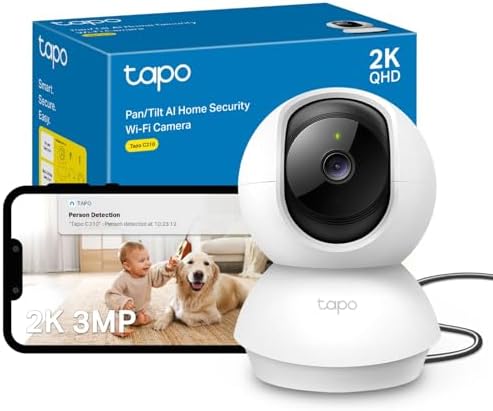
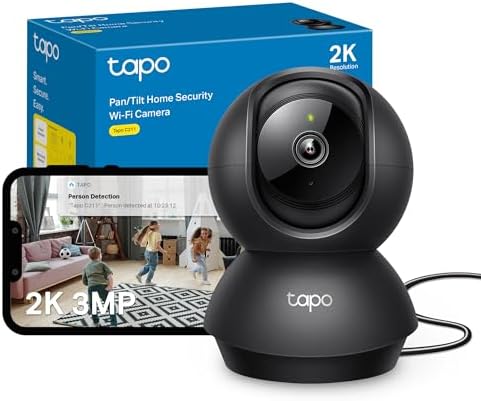
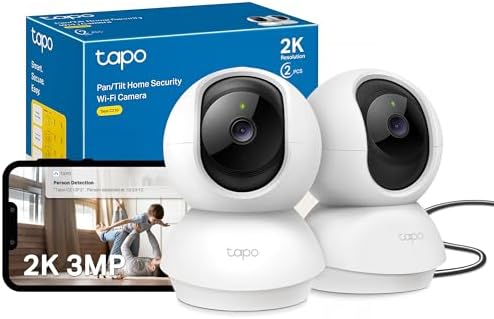

Moreover, the rise of smart home technology has transformed the landscape of security solutions. Consumers are increasingly opting for integrated systems that not only include security cameras but also other smart devices. This interconnectedness allows for comprehensive home monitoring, which can be tailored to individual needs and preferences. Among the numerous options available on the market, Ring and Eufy have gained popularity for their innovative features and user-friendly designs.
Ring, known for its video doorbells and security cameras, has established a strong presence in the smart security arena. Meanwhile, Eufy offers a range of security products that provide excellent performance without the need for ongoing subscription fees. As homeowners assess their security needs, understanding the benefits and unique offerings of each brand is crucial for making an informed decision.
Brand Overview: Ring and Eufy
In the realm of home security, two prominent brands stand out: Ring and Eufy. Established in 2013, Ring revolutionized the security camera market with its innovative doorbell camera, which introduced the concept of remote monitoring and interaction through smartphones. The brand became widely known for its user-friendly technology and robust ecosystem that integrates with various smart home devices. Owned by Amazon since 2018, Ring has significantly expanded its product range, including security cameras, floodlight cameras, and an array of security accessories.
Eufy, a subsidiary of Anker Innovations, emerged onto the market a few years later, in 2018. The brand focuses on providing high-quality security solutions that prioritize user privacy and independence. Unlike Ring, Eufy emphasizes local storage capabilities, allowing users to manage their data without relying on cloud services. This positions Eufy as an appealing choice for those who are concerned about data privacy. Eufy has quickly gained a reputation for producing reliable and affordable security products, catering to the growing demand for home surveillance.
When considering customer service, both Ring and Eufy present viable options. Ring has established a dedicated support team available through various channels, including phone support, email, and online chat. However, some users have reported long wait times and mixed experiences regarding service quality. Conversely, Eufy also provides efficient customer support, often praised for its quick responses and clear troubleshooting guidance.
Overall, both Ring and Eufy offer diverse product ranges that cater to various security needs. While Ring’s extensive integration with Amazon’s smart home ecosystem appeals to many, Eufy’s focus on user privacy and local storage presents a compelling alternative. As consumers continue to prioritize security and convenience in their homes, both brands have the potential to thrive in this competitive market.

- Clear 3MP Resolution & Color Night Vision: The cctv camera is equipped with 3.6mm lens, which provides a crystal 3MP ima…
- Human Detection & Real-time Alert: With sensitive motion & human detection, the outdoor camera will record a 10-second a…
- IP65 Waterproof & Widely Used: With IP65 weather resistance, the cctv camera can be installed outdoors without worrying …
Features Comparison: Ring vs Eufy
When considering security cameras, two prominent brands are Ring and Eufy, both offering a variety of features tailored to enhance home security. A comparative analysis of these brands reveals significant differences in key aspects that can influence a buyer’s decision.
Beginning with video quality, Ring cameras typically provide high-definition footage, often reaching 1080p or higher, making it easier to identify individuals or movements. Eufy, while also providing crisp video quality with similar resolutions, often incorporates advanced image processing techniques to enhance clarity, especially in low-light conditions.
The field of view is another critical feature to consider; Ring cameras generally offer a wider field of view compared to Eufy models. This means that Ring cameras can cover larger areas, which can be beneficial for monitoring spacious outdoor settings. Conversely, Eufy’s designs focus on delivering highly precise viewing angles, which can be advantageous for securing specific zones.
Night vision capabilities are essential for any security camera. Ring employs infrared technology for night vision, allowing users to maintain visibility in total darkness. Eufy also utilizes similar technology but includes features like color night vision in select models, providing clearer images even in low-light environments.
Motion detection is another area where both brands shine. Ring employs a customizable motion zone feature that lets users define areas that will trigger alerts. In contrast, Eufy offers AI-powered detection that distinguishes between people and pets, reducing false alarms and providing users with a more reliable monitoring experience.
Finally, the integration with smart home devices can be a determining factor for users entrenched in specific ecosystems. Ring is known for its robust integration with Amazon Alexa and other smart home systems, while Eufy offers compatibility with Apple HomeKit, Google Assistant, and Alexa, catering to a broader spectrum of users. These integrations not only enhance usability but also contribute to a more comprehensive security strategy.
Ease of Installation and Use
When selecting between Ring and Eufy security cameras, ease of installation and use plays a crucial role. Both brands offer systems that are designed with user accessibility in mind, which makes the setup process straightforward for individuals without technical expertise.
The installation process for Ring cameras typically involves mounting the device at your desired location, followed by a simple configuration through the Ring app. Users have reported that the app provides clear instructions, guiding them step-by-step through setup, including connecting to Wi-Fi and customizing notification settings. Additionally, Ring offers extensive resources, such as video tutorials and a customer support chat feature, to assist users who might encounter difficulties during installation.
On the other hand, Eufy’s security camera system presents a similar level of convenience. The Eufy Security app is designed to facilitate an intuitive setup experience. Users can easily establish a connection to their cameras, manage device settings, and view live feeds. Eufy’s reliance on local storage rather than cloud streaming also simplifies the user experience by minimizing setup complexities associated with network configurations.
In terms of user-friendliness post-installation, both brands have been praised for their app interface, which remains accessible and efficient. Users of both Ring and Eufy benefit from alert customization options and real-time notifications. The Ring app allows for integrations with other smart home devices, fostering a seamless smart ecosystem, while Eufy focuses on maintaining user privacy with options that discourage unsolicited data sharing.
Ultimately, both systems provide remarkable ease of installation and use, but the best choice may depend on specific user needs regarding integration and privacy.
Pricing and Subscription Plans
When comparing Ring and Eufy security cameras, understanding the pricing and subscription plans is essential for potential buyers. The initial purchase cost is often the first consideration, and for many, Eufy offers a compelling advantage in this regard. Eufy cameras generally have a lower upfront cost compared to Ring devices, making them an attractive option for consumers who are budget-conscious. Eufy promotes a user-friendly experience with its competitive pricing structure, which provides access to quality security features without prohibitive expenses.
However, the total cost extends beyond just the initial purchase price to includes subscription fees for cloud storage and additional features. Ring operates on a subscription model known as Ring Protect, which provides access to features such as video recordings, sharing options, and advanced alerts. The costs for Ring Protect start at a modest monthly fee, with discounts available for annual payments. This plan enhances the capabilities of Ring cameras but introduces ongoing expenses that need to be considered.
In contrast, Eufy cameras typically do not require a subscription for basic functionality. Many Eufy models come with local storage via microSD cards, which allows users to retain video recordings without incurring ongoing fees. Nevertheless, Eufy does offer a cloud storage option for those who prefer remote access and enhanced features, which would entail additional costs. Thus, while Eufy’s pricing may seem more straightforward, the optional services allow for flexibility depending on the user’s needs.
Ultimately, the choice between Ring and Eufy will depend on individual preferences regarding initial costs, ongoing expenses, and desired features. Consumers must weigh the value of each plan in relation to their specific security needs, ensuring a well-invested decision in their home protection.
Field Tests and Customer Reviews
When evaluating the performance of Ring and Eufy security cameras, it is vital to consider real-world user experiences. Both brands have garnered a significant amount of attention in the home security market, leading to numerous reviews and hands-on testing by customers.
Reliability stands out as a crucial factor reported by users. Many Ring users highlight the consistent performance of the Ring camera system, particularly its connectivity and integration with smart home devices. For instance, a multitude of reviews indicates that users appreciate the robust Wi-Fi connection and real-time notifications. On the other hand, Eufy cameras have received praise for their exceptional video quality and local storage capabilities, allowing users to save footage without relying on monthly cloud subscriptions.
Customer support experiences also differ between the two brands. Users of Ring have expressed concerns regarding delays in customer service responses. A number of reviews mention frustrating wait times as an area for improvement. Contrastingly, Eufy users have generally reported positive interactions with customer support, noting their responsiveness and willingness to assist with technical queries, which enhances user satisfaction.
Specific strengths and weaknesses are commonly cited in user feedback. For instance, many users commend the intuitive user interface and app functionality for both brands, though some Ring users have pointed out occasional glitches and bugs. Eufy’s strengths often lie in its cost-effective pricing strategy and lack of ongoing subscription fees, appealing strongly to budget-conscious consumers.
It is evident that both Ring and Eufy cameras have distinct advantages and disadvantages based on user feedback and field tests. The choice between the two will ultimately depend on individual preferences regarding features such as video quality, customer support, and overall reliability in daily use.

- 4x 1080P CCTV Cameras: Full home coverage with four indoor cameras, ideal for monitoring babies, elderly relatives, pets…
- Motion & Sound Detection: These indoor security cameras send instant Osaio app alerts for people or pet movement. Custom…
- Easy Setup: Install all four wifi security cameras with tape (rental-friendly) or screws. 2m white cords
Security and Privacy Considerations
When evaluating security cameras, the importance of security measures and privacy policies cannot be overstated. Both Ring and Eufy prioritize the safeguarding of user information, yet they employ different strategies and have faced distinct challenges regarding privacy concerns.
Starting with Ring, this brand underscores the significance of encryption in protecting user data. All video footage captured by Ring cameras is encrypted in transit, aiding in the prevention of unauthorized access. Additionally, Ring offers users the ability to encrypt their video recordings stored on the cloud, but this feature must be manually enabled. However, it is important to note that Ring has faced scrutiny regarding its partnerships with law enforcement agencies, raising questions about how user data is shared and utilized. The company’s practices concerning user privacy have sparked debates, particularly after instances where footage was shared without explicit user consent.
On the other hand, Eufy emphasizes a strong commitment to user privacy by offering local storage options. With Eufy cameras, users can choose to store video recordings directly on the device, eliminating the need to upload footage to a cloud service. This choice significantly enhances privacy because it minimizes the risks associated with cloud data exposure. Eufy uses end-to-end encryption for both video streams and local data storage. Nevertheless, Eufy has not been entirely free from controversy; a previous incident raised concerns about the security of their application, which some users claimed had vulnerabilities that could be exploited.
Ultimately, while Ring emphasizes transparency and cloud storage with optional encryption, Eufy stands out for its strong local storage capabilities and rigorous privacy commitment. Potential users should weigh these considerations carefully, as they reflect broader implications for how their personal information is handled within the realm of smart home security.
Pros and Cons of Each Brand
When considering the optimal security solution for your home or business, both Ring and Eufy have garnered considerable attention, each presenting unique advantages and drawbacks. Understanding these can significantly impact your purchasing decision.
Ring is recognized for its robust integration capabilities. One of its primary benefits is the compatibility with Alexa-enabled devices, facilitating seamless smart home automation. Additionally, Ring’s unique features like the neighborhood watch feature create a sense of community awareness, enhancing overall security. However, potential downsides include subscription fees for accessing cloud storage and advanced functionalities, which might not be suitable for budget-conscious consumers. The camera’s operation can also be dependent on Wi-Fi connectivity, which may pose challenges in areas with poor signal strength.
On the other hand, Eufy offers appealing benefits that many users find advantageous. A key strength is its emphasis on local storage solutions, allowing homeowners to retain control over their recorded footage without relying on subscription services. This can lead to significant cost savings in the long run. Eufy cameras also stand out for their ease of installation and user-friendly interface, which tend to attract novice users. However, one conceivable disadvantage is that Eufy’s compatibility with third-party smart home systems is relatively limited compared to Ring. This may result in a less versatile smart home ecosystem for those who wish to integrate various brands.
Ultimately, both Ring and Eufy present notable advantages and some drawbacks. The choice between the two will likely depend on individual preferences, budget considerations, and desired features.
Conclusion: Which One Should You Choose?
After examining the various features, pricing, and performance metrics of both Ring and Eufy security cameras, it is clear that each brand serves distinct user needs and preferences. Those who prioritize advanced smart home integration, such as compatibility with Alexa and Google Assistant, may find Ring to be a more suitable choice. Ring cameras are designed to seamlessly integrate into a broader smart ecosystem, offering cloud storage options and a robust app ecosystem while generally being more established in the market.
On the other hand, Eufy stands out for users who desire a cost-effective solution without sacrificing essential features. With local storage options that minimize recurring fees and competitive pricing, Eufy may appeal more to budget-conscious consumers. Moreover, the user-friendly interface ensures that security is accessible without an overwhelming learning curve, making it a popular choice among first-time buyers or those looking for no-fuss operation.
Your decision ultimately depends on your unique circumstances. For instance, if you need versatile outdoor surveillance with a focus on smart home connectivity, the features of Ring could align well with your requirements. Alternatively, if you are looking for an economical yet reliable camera system to monitor your home, Eufy might be the better option. We recommend carefully assessing the specific features each brand offers against your own needs to make an informed decision.
In conclusion, both Ring and Eufy present notable strengths that cater to different consumer preferences. It is crucial to prioritize your specific needs, whether they are budget constraints, smart home integration, or ease of use when selecting the right security camera for your home.

0 Comments